
Storytelling-Driven Marketing: From Data to Demonstrated Impact
Imagine this: A workforce program boasts a significant statistic – 40% of its graduates found employment after completing the program. While that sounds impressive, what does it really mean? By using a storytelling-driven approach, we can reframe this statistic: “Four out of every ten people who entered our doors last year left with a new […]
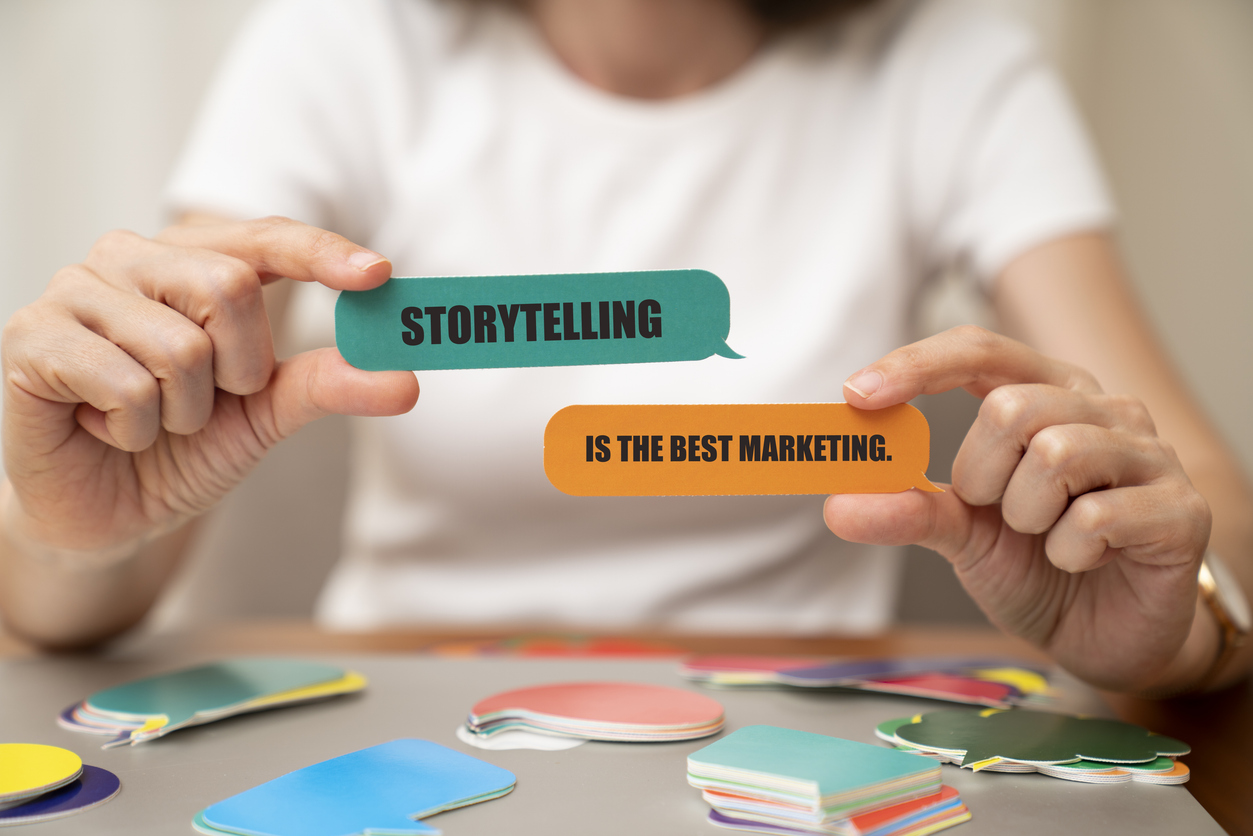
Imagine this: A workforce program boasts a significant statistic – 40% of its graduates found employment after completing the program. While that sounds impressive, what does it really mean?
By using a storytelling-driven approach, we can reframe this statistic:
“Four out of every ten people who entered our doors last year left with a new opportunity.
A shining example of this is Maria, one of our recent program graduates. Maria was juggling two jobs and never considered herself “career ready.” She decided to enroll in our program, completed her training, and six months later, she landed a job that pays more than both of her previous positions combined.”
Now, that 40% has real meaning. The number hasn’t changed; the story around it has. This illustrates the power of storytelling-driven marketing.
Research consistently shows that data becomes more impactful when people can connect it to relatable contexts. For instance, data from the Harvard Business Review (HBR) suggests that employees and stakeholders are 12 times more likely to act on business insights when they are presented as a narrative rather than in chart form.
HBR emphasizes the importance of making data concrete and relatable, often by incorporating human examples to transform numbers into stories. According to research by cognitive psychologist Jerome Bruner, facts wrapped in a story are 22 times more memorable than raw data alone.
For workforce and education organizations, this storytelling approach is crucial:
- A GED program can highlight completion rates.
- An ESL program can share enrollment figures.
- A university can showcase graduation and employment outcomes.
- A workforce organization can report on credentials earned and jobs placed.
Those statistics are important; they demonstrate impact. However, prospective students or jobseekers visiting your website are not solely focused on your completion rate. They are asking: Could I do this? Could this help me get a better job? Could I finally speak English with confidence? Could this change what’s possible for my family?
That’s where the storytelling begins.
After 25 years of working with workforce and education organizations nationwide, we often see fact-driven data that is missing the human element. As Harvard Business School notes, this human element is critical from a psychological perspective. Storytelling engages multiple parts of the brain, increasing the likelihood that the hippocampus—which stores short-term memories—will convert the experience of hearing a story into a long-term memory.
At Full Capacity Marketing, we believe you don’t have to choose between data and storytelling. Data provides the truth, while storytelling brings that truth to life for real people.
As AI transforms the way we work, this distinction becomes even more vital. AI can analyze thousands of data points, pinpoint patterns, summarize research, and help us operate more efficiently. However, it cannot replace the human perspective behind the numbers.
AI can’t understand what it feels like to walk into a classroom at 35 years old and wonder if you’re too old to start over. It doesn’t know the pride of earning a GED after years of feeling that education wasn’t meant for you. It can’t grasp what it means for a parent to envision a brighter future for their family.
If your teams aren’t using Storytelling-Driven Marketing (SDM) yet, the eFCM Storytelling Academy provides the tools to turn every piece of data into a narrative that connects and drives results. SDM strategies have yielded up to a 30% increase in conversion rates with 86% of consumers stating that brand authenticity—often built via storytelling—dictates the businesses and organizations they support. The Academy teaches workforce and education organizations how to uncover the human stories within your data, transform research into meaningful insights, and convey those insights through marketing that resonates with people.
Participants will master:
- Story Crafting & Structure: Developing narrative arcs and applying proven storytelling techniques
- Audience Engagement & Empathy: Tailoring stories to specific audiences and cultivating emotional resonance
- Content Strategy: Using stories for data interpretation, marketing, advocacy, and education
- Echo Chamber Deployment: Leveraging digital platforms and earned media to amplify stories statewide
Your organization already has the numbers. Let’s find the story that makes them matter. Download the fact sheet and get more information about FCM’s Storytelling Academy.
Share this article
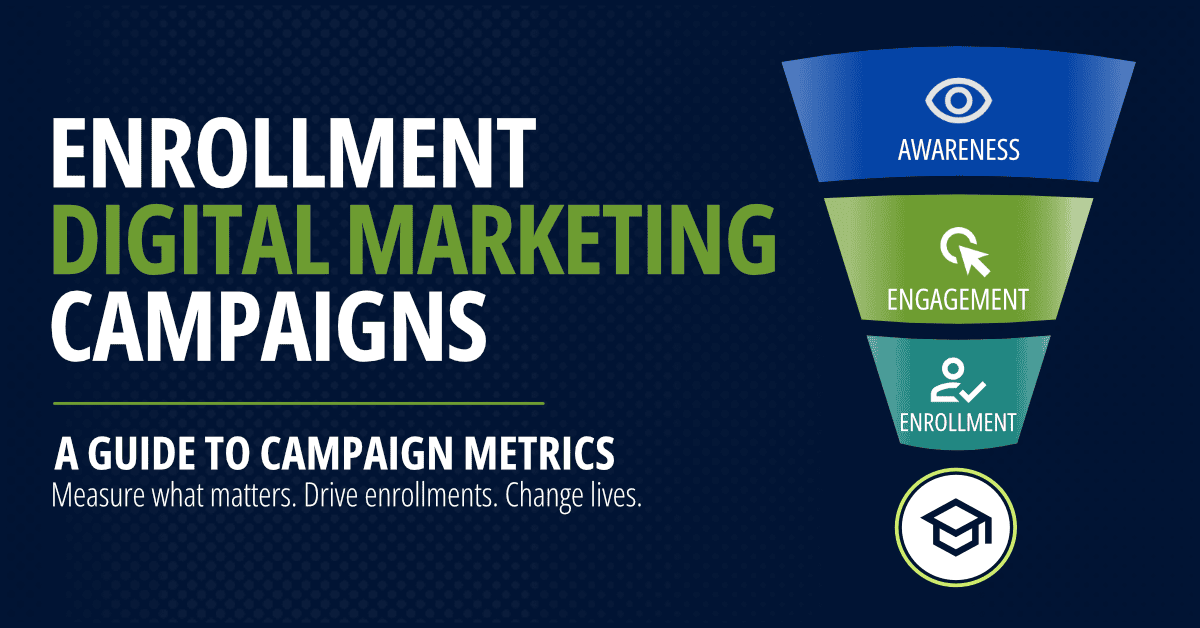
Enrollment Digital Marketing Campaigns: A Guide to Campaign Metrics That Drive Enrollment Results
Enrollment Isn’t Just Marketing—It’s Mission Critical For higher education and workforce programs enrollment is more than filling seats. Every enrollment represents an opportunity to connect someone with education, skills development, career advancement, and long-term economic mobility. Today’s prospective students don’t simply respond to flyers or traditional advertising. They research programs online, compare opportunities, watch videos, […]
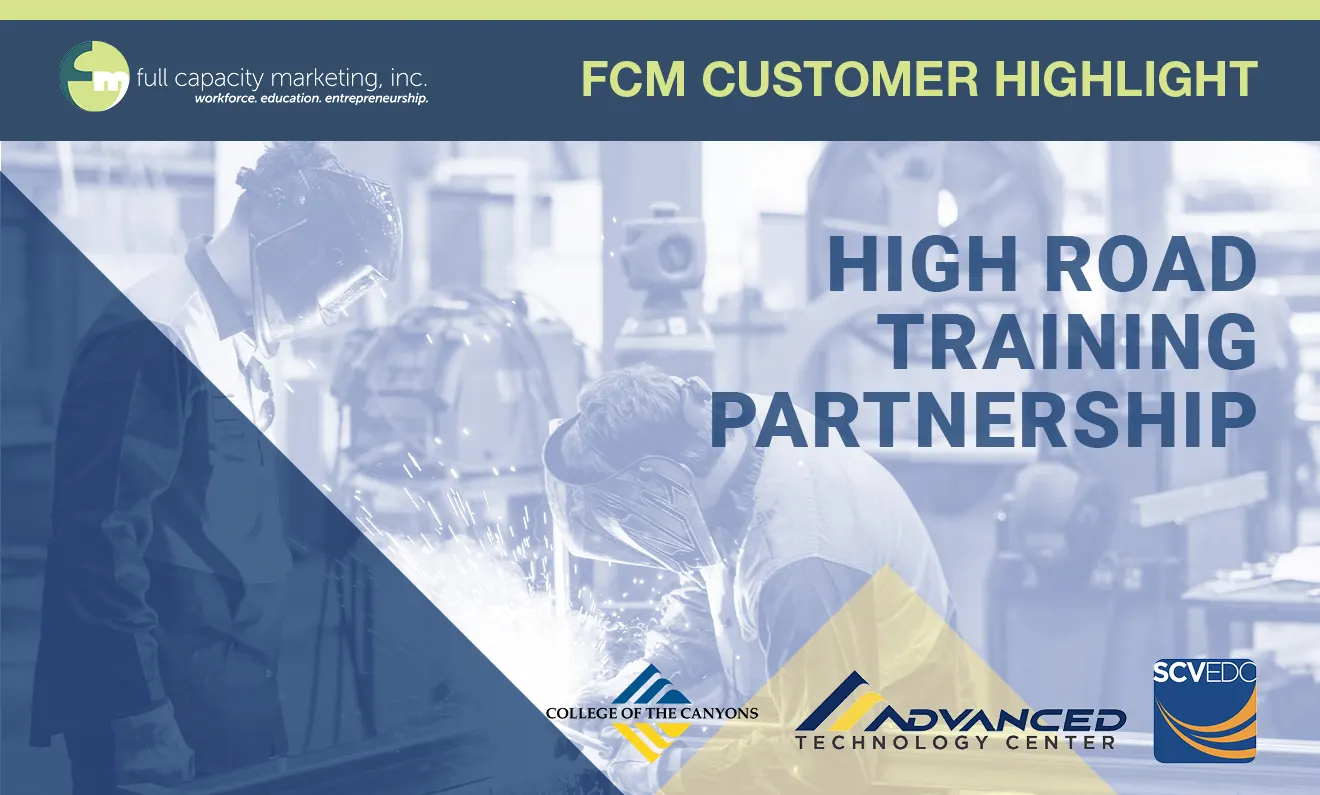
Industry-Driven Workforce Strategies: The College of the Canyons High Road Training Partnership Case Study
Learn how one community college collaborated with business, workforce, and economic development organizations to create a sustainable career pathway model within their local community.

Brand Videos: A Valuable Asset for Workforce & Education Organizations
Often short, well-produced, and designed to capture the attention of a target audience, a brand video is a marketing tool that promotes a brand, its products or services, or its values and mission. In today’s fast-paced digital landscape, many private sector companies use well-crafted brand videos to stand out from their competitors. But can this […]
Thought Leaders in Workforce, Education & Entrepreneurship
Comments
There are no comments yet