
Capturing Hearts Through Visual Content: How Visual Storytelling Turns Interest into Action
Case Study – Discover the power of video storytelling in workforce and education marketing. When structured thoughtfully, video does more than showcase success, it builds emotional connection, reinforces credibility, and drives action.

How do you stand out in a crowded digital landscape when everyone is competing for audience attention?
Workforce and education organizations have never had more opportunities to connect with their audiences, yet they’ve also never faced more competition for their attention.
Today’s learners, job seekers, employers, and community partners are inundated with information across websites, social media platforms, email campaigns, and digital advertising, with the average person being exposed to 4,000 to 10,000 ads per day.
As organizations work to increase enrollment, promote services, and demonstrate impact, many face a common challenge: how do you stand out in a crowded digital landscape when everyone is competing for the audience’s attention?
The answer isn’t simply producing more content. It’s creating content that people remember.
The What & Why of Video Content
Modern marketing is no longer just about reaching audiences, it’s about resonating with them. Across industries, organizations are shifting toward strategies that prioritize engagement, relevance, and emotional connection over simple information delivery. As modern marketing research highlights, today’s audiences respond to messages that are both targeted and meaningful, not just broadly distributed.
Visual content has become one of the most powerful tools in this shift. Studies consistently show that people retain significantly more information from visuals (80 percent), than from text alone (roughly 20 percent).
Video combines visuals, emotion, voice, and personal experiences into a format that captures attention and increases retention. It’s no surprise that 91% of consumers say they want to see more online video content from organizations and their brands. This matters because video storytelling, not data alone, drives action. People may process facts, but they remember narratives.
They connect with faces, journeys, and transformation. In workforce and education marketing especially, this distinction is critical: programs don’t inspire action, people do.
For workforce and education organizations, video is more than a marketing tool, it’s an opportunity to humanize services, showcase outcomes, and demonstrate impact through the voices of the people who have experienced it firsthand.
Santa Cruz Case Study
The Santa Cruz County Workforce Development Board‘s Workforce Achievement Awards Video Project offers a compelling example of how strategic visual storytelling can transform participant success stories into powerful engagement tools.
The initiative was designed to raise awareness of workforce services by highlighting the real-world impact of Workforce Innovation and Opportunity Act (WIOA)-funded programs. Rather than focusing solely on program descriptions or performance metrics, the project put people at the center of the story through a six-video series featuring Adult WIOA participants, Youth WIOA participants, employer partners, and workforce professionals. A sixth video expanded the narrative by presenting the region’s State of the Workforce through a combination of voiceover, motion graphics, and community visuals.
This approach allowed viewers to see the human side of workforce development. Adult participants shared stories of overcoming financial barriers, balancing family responsibilities, and gaining the confidence needed to pursue new careers. Youth participants reflected on the challenges they faced while exploring educational and career pathways, as well as the support that helped them build skills and envision their futures. Employer partners provided another important perspective, demonstrating how workforce programs help connect businesses with qualified talent while strengthening the local workforce ecosystem.
Rather than relying on scripted messaging, the videos focused on authentic conversations and personal experiences. Participants were encouraged to tell their stories in their own words, creating genuine moments that resonated with audiences and showcased the value of workforce services in a way that statistics alone could not.
The Results
The result was a video series that elevated awareness of Workforce Santa Cruz County services while clearly demonstrating outcomes. By combining participant success stories, employer perspectives, and regional workforce insights, the videos helped communicate both individual transformation and broader community impact.
Most importantly, the project highlighted the importance of understanding that people connect with people. While data validates success, visual storytelling helps audiences understand what that success looks and feels like in real life. The Workforce Development Board was extremely pleased with the final videos because they effectively showcased participant outcomes, highlighted the value of workforce services, and created a compelling narrative around the organization’s mission and impact.
Conclusion
Across marketing research and industry best practices, one theme is consistent: storytelling outperforms information alone. Emotional narratives improve recall, strengthen trust, and increase engagement, but most importantly they drive action.
The Santa Cruz Workforce Achievement Awards Video Project demonstrates the power of video storytelling in workforce and education marketing. When structured thoughtfully, video does more than showcase success, it builds emotional connection, reinforces credibility, and drives action.
Modern audiences don’t just want to understand impact. They want to see it, feel it, and recognize themselves in it.
By combining strategic messaging with authentic visual storytelling, organizations can move beyond awareness and into action, turning interest into meaningful participation and long-term impact.
Visit our YouTube channel to see how strategic video content helps workforce and education organizations build trust, increase engagement, and bring their stories to life. Schedule a free consultation with our founder/CEO, Celina Shands, to explore tailored solutions that can elevate your efforts and help you achieve your enrollment goals.
Share this article
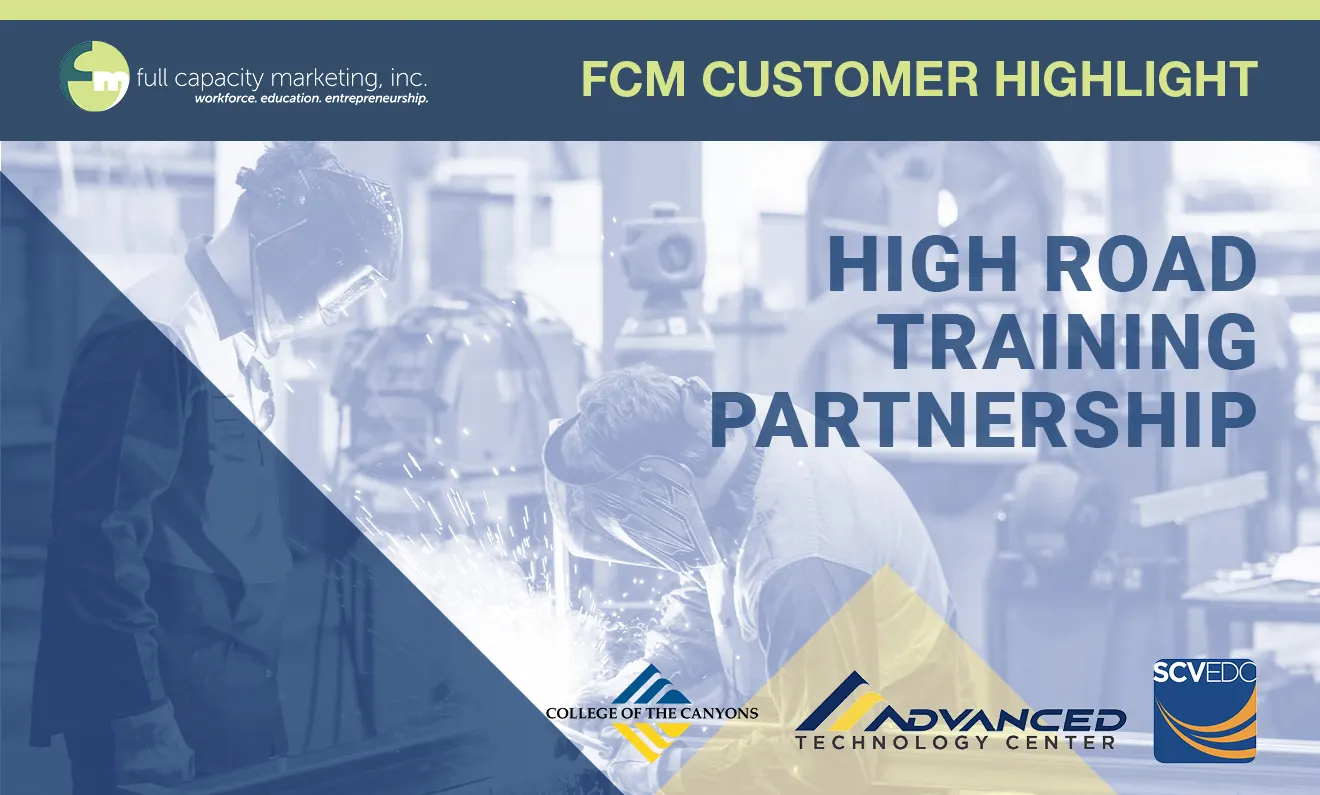
Industry-Driven Workforce Strategies: The College of the Canyons High Road Training Partnership Case Study
Learn how one community college collaborated with business, workforce, and economic development organizations to create a sustainable career pathway model within their local community.

Mapping Content Topics for the Higher Education Recruitment Funnel
For today’s learners — especially adults balancing work, family, and a return to education — the path to enrollment is rarely linear. This blog details the specific content topics and formats needed to navigate today’s non-linear paths to enrollment.

How One Local Workforce Board is Coordinating Employer Engagement Regionally
Businesses and workers across the country have been nothing if not resilient over the past two years, as they worked to overcome unprecedented challenges brought on by the pandemic. Businesses in California’s Santa Cruz County are no exception. A recent report by the Santa Cruz County Workforce Development Board (SCCWDB) highlights the major issues businesses face within […]
Thought Leaders in Workforce, Education & Entrepreneurship
Comments
There are no comments yet